Between 1845 and 1852, Ireland was struck by the Great Famine, leaving millions of people in poverty and hunger. A potato blight, which destroyed the country’s main food source, created one of the worst humanitarian crises of the 19th century.
During this time, Sultan Abdülmecid of the Ottoman Empire, together with his people, sent food and financial aid to Ireland. When the aid ship reached Dublin, even the British authorities were astonished by the generosity of the Ottoman people. The Irish population still remembers and honors this humanitarian gesture. https://www.quora.com/Do-the-Irish-know-about-the-Ottoman-help-to-the-Irish-when-they-were-in-Gorta-M%C3%B3r
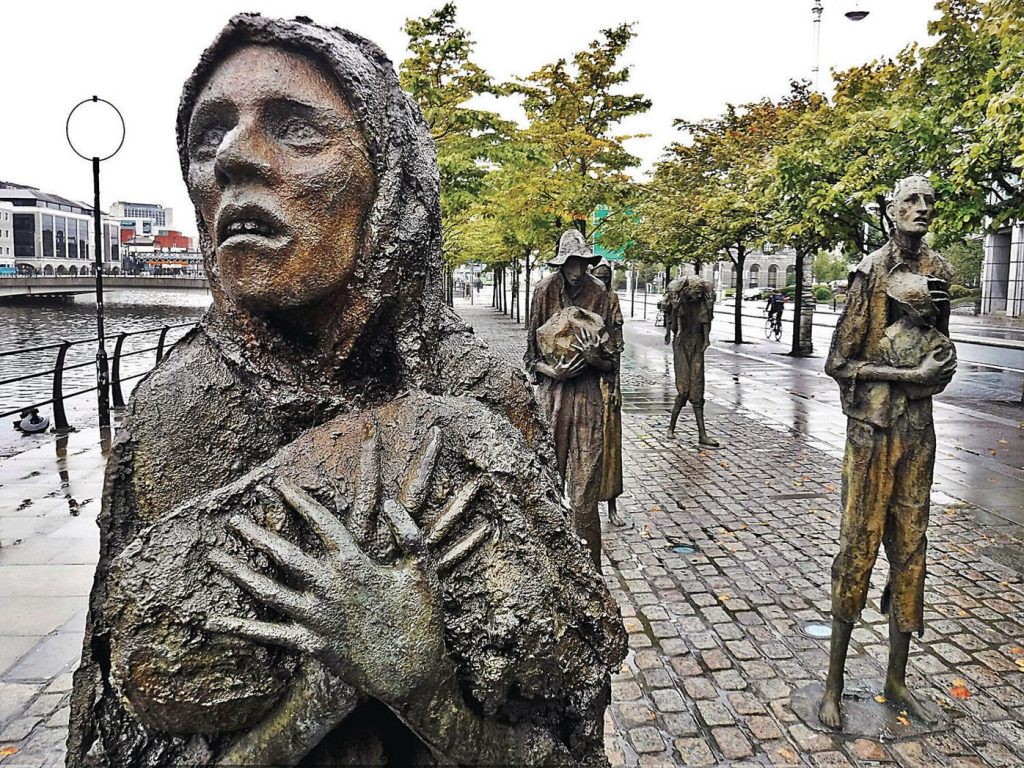
Historical records show that the Ottoman aid to Ireland symbolized not only state support but also the solidarity and compassion of its people. Today, a plaque in Drogheda commemorates this aid, reading: “Great Irish Famine 1847 – In Recognition of the Generosity of the Turkish People to the People of Ireland.” Meanwhile, Dublin’s Famine Memorial represents the hardships and emigration caused by the famine, though it does not specifically highlight Ottoman aid.
Experts note that the growing negative narratives about Turks in Europe are often fueled by political manipulation and bias. Yet history demonstrates that Turks have consistently considered not only their own welfare but also the broader welfare of humanity.
This historic act stands as a clear example of Turkish generosity and human values, reminding the world that short-term political or economic concerns should never overshadow historical kindness and solidarity.